Sonic Flora: Natural Recordings

Saturday, November 7, 2026

With Ethan Bourdeau, Matthew Mikkelsen and Laura Giannone

Afternoon Session: Doors 4:30pm · No entry after 5:00pm.

Evening Session: Doors 8:00pm · No entry after 8:30pm.

Omelas Listening Room
San Juan

Long before music, our ears were how we found our way through the world.

A session where the sounds of nature step into the foreground.

Ethan Bourdeau, Omelas's acoustic consultant, starts from the ears, “our most powerful wayfinding tool,” shaped by nature and by the places we live. In part one, he plays records in which place, ecology and natural materials are present in high-fidelity sound, among them extremely rare Japanese discs from St.GIGA. “As intentional listeners,” he writes, “it's up to us to decide when the sounds of our natural world can step into the foreground.” That, he says, fosters acoustic empathy: “the ability to hear beyond our own auditory systems and attempt to understand each other's sonic perception.”

After the intermission, Matthew Mikkelsen and Laura Giannone talk about the art of nature sound recording and preview Omelas's Place & Ecology field recording project, which asks what a place sounds like. They're recording it in Puerto Rico over the two weeks before the session.

Some of the records

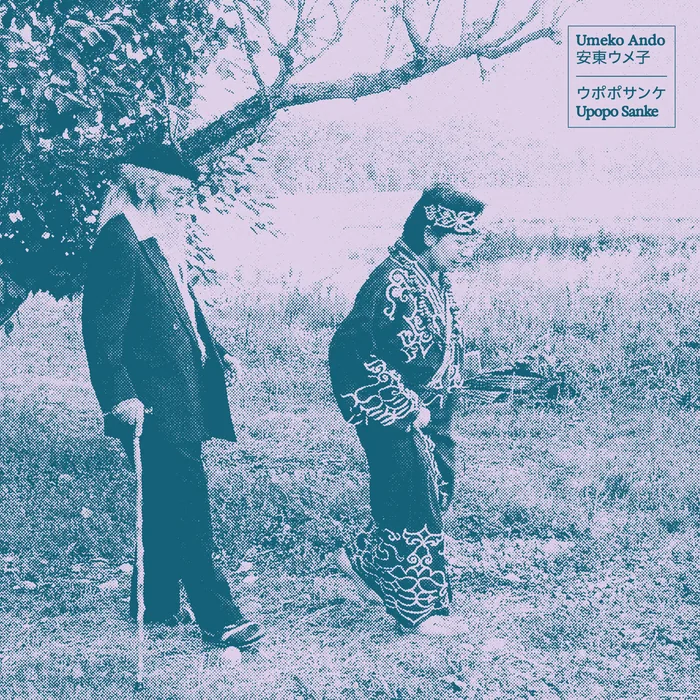
Umeko Ando, Upopo Sanke

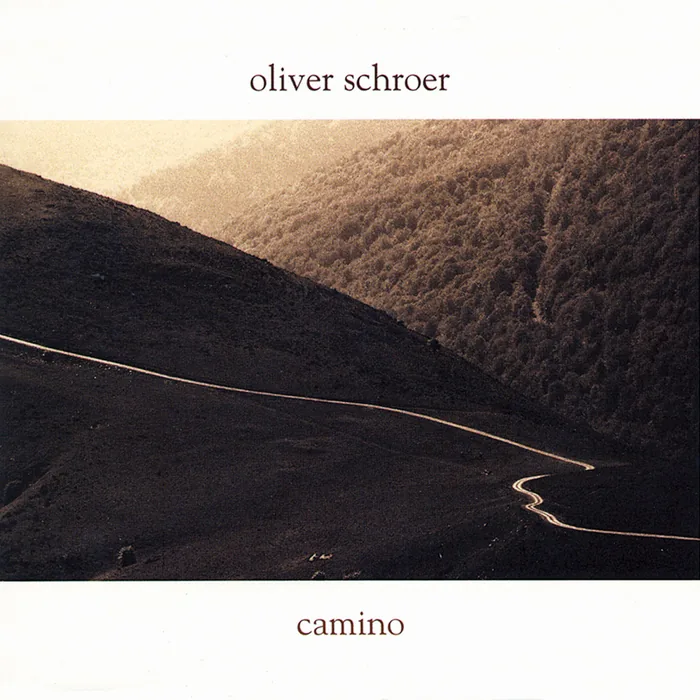
Oliver Schroer, Camino

David Darling & the Wulu Bunun, Mudanin Kata

Part one

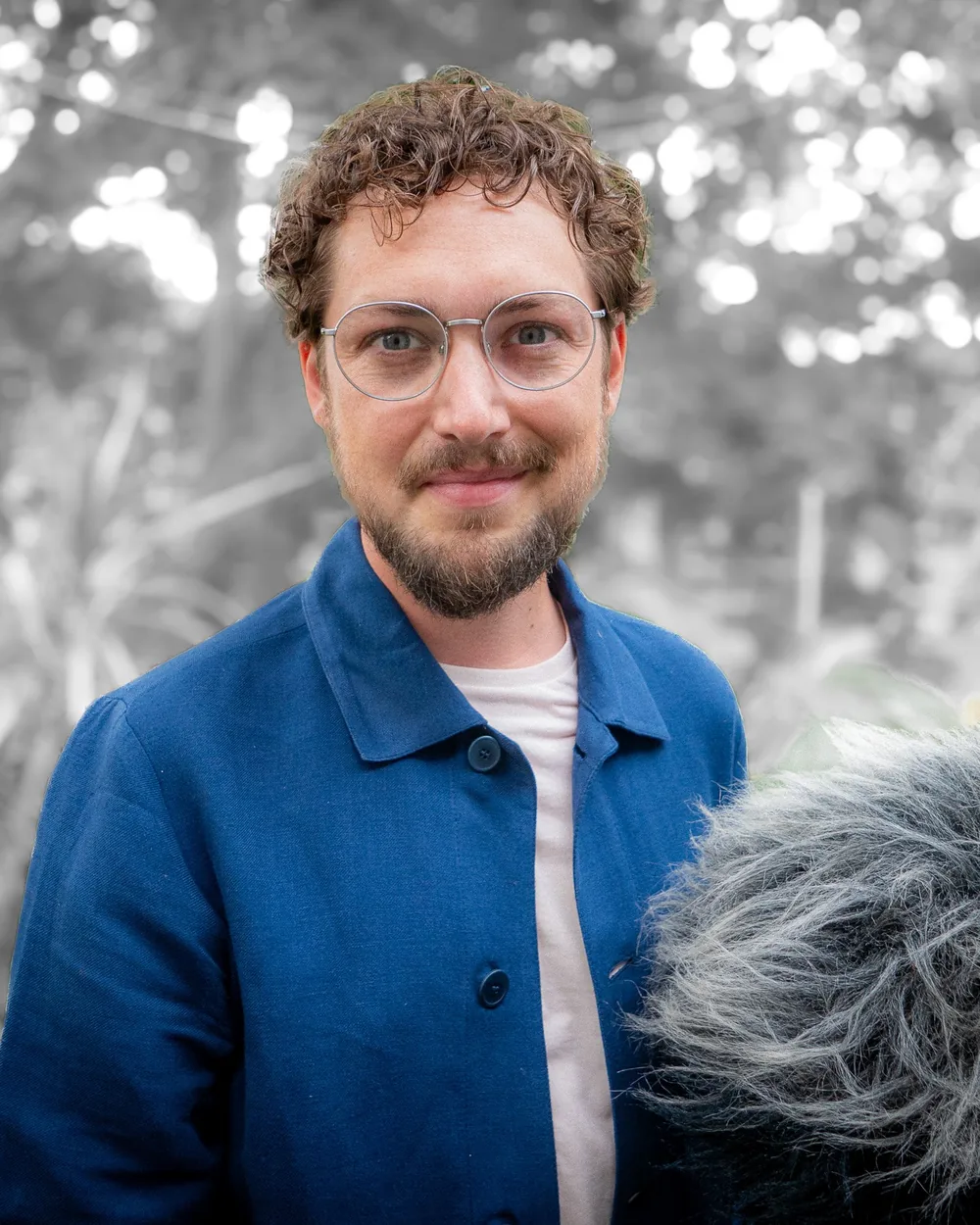
About Ethan Bourdeau

Ethan Bourdeau is an acoustic consultant, researcher, field recordist and musician. He runs Bourdeau Acoustical Design, which plans listening rooms, public art installations and residential and commercial projects, and teaches at Columbia University's architecture school.

He is the acoustic collaborator on Devon Turnbull's OJAS listening rooms, and Omelas's acoustic consultant.

Part two

About Matthew Mikkelsen and Laura Giannone

Matthew Mikkelsen is a sound designer, field recordist, filmmaker, and conservationist. His work has taken him around the world to carefully capture the wonder of natural soundscapes.

His work sits at the intersection of storytelling, technology, and the natural world. Matthew has collaborated with clients including Skywalker Sound, Emergence Magazine, Bruton Stroube, Microsoft, and Amazon’s Audible, and his sound-driven projects have been featured by National Geographic, The New York Times, NPR’s All Things Considered and On Point, CNN, and CBS Mornings. He helps run Quiet Parks International and is the cofounder of Spruce Tone Films.

Laura is a field recordist and sound editor focused on natural soundscapes. She has a background in acoustic ecology. Laura is a bird nerd, surfer, forager, and tinkerer which influences her work recording in nature. You can hear some of her recordings here.

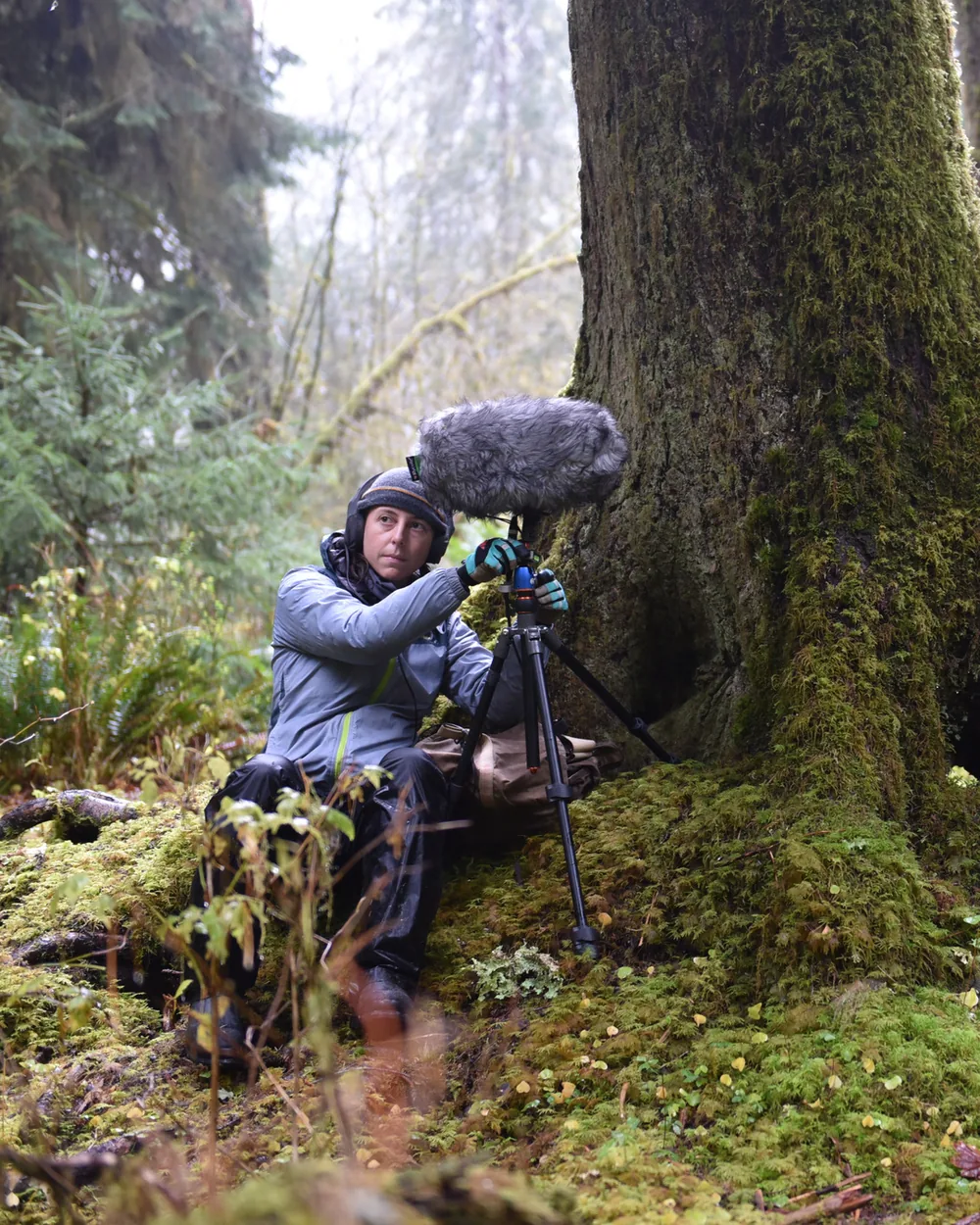
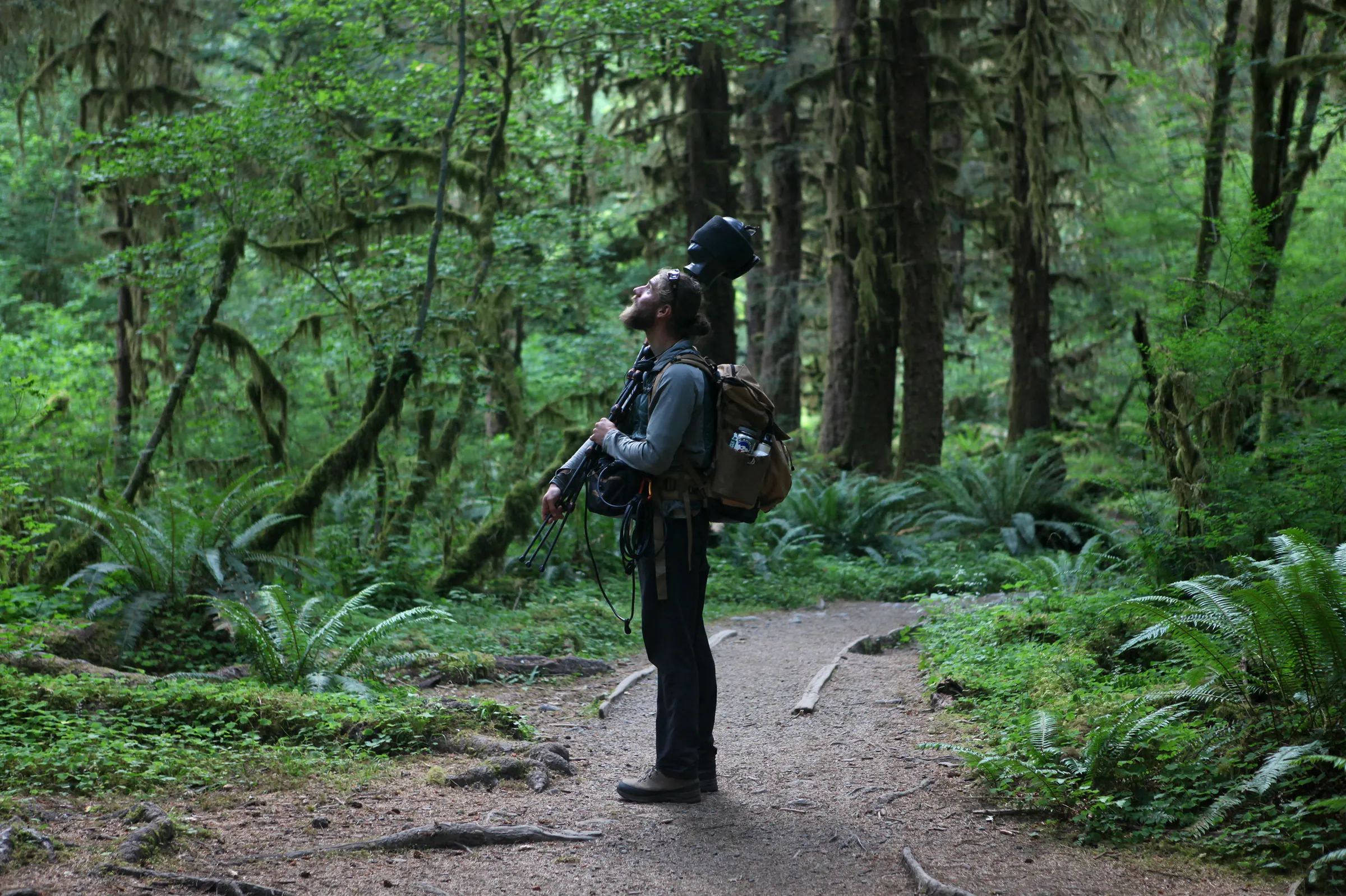
Photos: Matthew Mikkelsen in the Hoh Rain Forest, Atlas Obscura; Ethan Bourdeau, Bourdeau Acoustical Design; Laura Giannone, Laure Andrillon.

* Ethan, Matthew and Laura will present in English, while the sounds of nature need no translation.

Tickets are sold in advance only—there will be no door sales.

100% of ticket proceeds go directly to the featured artist—or to the artist or curator leading the session.

Two sessions, each in two parts, with an intermission.


The session ended — the music continues.

What we listened to

The music we heard

Ethan Bourdeau, Omelas’s own acoustic consultant, played records in which a place can be heard as clearly as the music made in it. Among them: Upopo Sanke, the Ainu singer Umeko Ando’s songs, recorded on a farm in Tokachi, Hokkaido; Oliver Schroer’s Camino, a violin played in the churches along the pilgrims’ road through France and Spain, with the bells and birds of the road between; Mudanin Kata, David Darling’s cello among the voices of the Wulu Bunun of Taiwan; and rare discs from St.GIGA, the Japanese satellite station that ran its days by the sun, the moon and the tides.

The field recordists Matthew Mikkelsen and Laura Giannone played a first preview of the field-recording project they made for Omelas in Puerto Rico in the two weeks before the session, a project that asks a simple question: what does a place sound like?

For listening at home, the records are gathered below in a playlist. The Puerto Rico recordings are new and are not released anywhere yet.

About Ethan Bourdeau

Ethan Bourdeau courtesy of Bourdeau Acoustical Design

Read more about Ethan and the records

The ears came first

Ethan Bourdeau’s starting point is older than music: long before we made songs, our ears were how we found our way, and he calls them “our most powerful wayfinding tool,” shaped by nature and by the places we live. “When designing a room for intentional listening,” he writes, “we cannot forgo the roots of our auditory lineage.” What a room like this one can offer, he argues, is acoustic empathy: “the ability to hear beyond our own auditory systems and attempt to understand each other’s sonic perception,” fostered “in spaces where intentionality is anchored in the architecture.” And it is up to us, as listeners, to decide when the sounds of the natural world are allowed to come forward.

Rooms built for listening

He founded Bourdeau Acoustical Design in 2018. The studio plans listening rooms, public art installations and residential and commercial spaces, and Ethan is the acoustic collaborator on Devon Turnbull’s OJAS listening rooms, which have appeared in galleries and museums from Lisson Gallery to SFMOMA and the Cooper Hewitt in New York. He teaches at Columbia University’s Graduate School of Architecture, Planning and Preservation, where his course this fall is called Architectural Acoustics and Field Recordings. He is also Omelas’s acoustic consultant: the room you listened in is, in part, his argument made physical.

Ancient rooms, measured

With the American University of Armenia, Ethan and Narine Sarvazyan are the investigators on a project to preserve the acoustics of Armenia’s ancient cathedrals: capturing how each space answers a sound in spatial recordings, and rebuilding it in three dimensions, so that the voice of a building can outlast the building. He names one record as an inspiration for the work: Luys i Luso (ECM, 2015), in which the pianist Tigran Hamasyan and the Yerevan State Chamber Choir arrange Armenian sacred hymns.

Songs from a farm in Tokachi

Umeko Ando (1932–2004), born in Obihiro, was an Ainu singer, a master of upopo, Ainu song, and of the mukkuri, the mouth harp of the Indigenous people of Hokkaido. Upopo Sanke was recorded in 2003 on a farm in Tokachi, in eastern Hokkaido, and produced by Oki Kano, who plays the tonkori, the Ainu zither, and released it on his Chikar Studio label. Twenty years later the label Pingipung reissued it on double vinyl. The record is not anonymous nature sound: it is a named artist, her songs and her people, with the surroundings of a working farm around them, and the listener is asked to hold both at once.

A road made of rooms

In 2004 the violinist Oliver Schroer walked the Camino de Santiago, the pilgrims’ road through France and Spain, with Peter Coffman. Along the way he played in the churches they passed through, letting each one shape the sound of his violin, and between those performances they kept the sounds of the road itself, its bells and its birds. The result, Camino, came out on CD in 2006. Every church on it is a different instrument wrapped around the same one.

A prayer for the millet

The Bunun of Taiwan’s central mountains sing in many voices at once, and their pasibutbut, a prayer for a good harvest of millet, is among the most celebrated forms of their singing. In 2003 the American cellist David Darling went to Taitung County to make music with the Wulu Bunun, the village’s traditional troupe and its elementary school choir; the record they made together, Mudanin Kata, was issued internationally in 2004. The voices lead. The cello listens and answers.

A radio station that kept time with the tides

St.GIGA began broadcasting by satellite in Japan on March 30, 1991, with an unusual idea: a continuous stream of music and natural sound, arranged around the rhythms of the sun, the moon and the tides, with a voice that read poems and told the listener where the day stood in its cycle. Toshiba EMI issued its recordings on a series of twelve CDs, now scarce; one of them, from the Shiretoko peninsula in Hokkaido, dates to 1992. To program by the tides is to organize attention, not to provide background.

If tonight sent you listening

About Matthew Mikkelsen and Laura Giannone

Matthew Mikkelsen in the Hoh Rain Forest courtesy of Atlas Obscura

Read more about Matthew, Laura and field recording

What does a place sound like?

That is the question behind the field-recording project Matthew Mikkelsen and Laura Giannone made for Omelas, and they spent the two weeks before the session in Puerto Rico answering it with microphones. They record in spatial audio. An ordinary stereo recording gives you two channels, left and right; a spatial recording keeps where each sound arrives from, all around the microphone, so that a listener can hear a place as a set of relationships: a frog close by, a stream behind, wind moving overhead. The recording, the way it is decoded and the room it is played in all shape what you hear, which is why a listening room is a good place to hear it first.

Matthew Mikkelsen

Matthew is a sound designer, field recordist, filmmaker and conservationist, and his work has taken him around the world to capture natural soundscapes with care. He runs the audio studio Hayloft, from Duluth, Minnesota, and co-founded Spruce Tone Films; with Palmer Morse and others he has made documentaries including Being Hear (2016), Water Flows Together and Venture Out (2020) and Usugilix Awakun (2024). He has worked with Skywalker Sound, Emergence Magazine and Audible, and his sound-driven projects have been featured by National Geographic, The New York Times, NPR and CNN. At Quiet Parks International, the organization that works to protect the world’s quiet places, he leads Wilderness Quiet Parks.

Laura Giannone

Laura is a field recordist and sound editor, working as Ebbtide Sound, with a degree in sound engineering and acoustic ecology from Evergreen State College (2020). She works with Quiet Parks International as a field technician and data analyst, and did the sound design for BirdNote’s Sound Escapes. A bird nerd, a surfer, a forager and a tinkerer, she brings all four to the field. One recording on her SoundCloud, of heavy winds and an insect chorus in Monteverde, Costa Rica, was made with a double mid-side microphone array and decoded to stereo: one way, among many, of choosing how a place reaches the ear.

Quiet is not silence

Acoustic ecology studies the relationships among living things, their surroundings and sound. In Laura’s telling, a quiet place is not a silent one: natural sound can be loud, a storm, a dawn chorus, surf, and a place can still be free of the human noise that masks it. So the useful questions for a recordist, and for a listener, are what can be heard, what is being covered up, and whose ears the microphone stands in for.

Before it had a name

Nature reached records long before field recording was a genre. On May 19, 1924, the BBC broadcast the cellist Beatrice Harrison playing in her garden in Surrey while nightingales sang back, and HMV recorded the pair in 1927. In 1948 Pierre Schaeffer turned recorded trains into music with his Étude aux chemins de fer. In 1970 Roger Payne’s Songs of the Humpback Whale carried whale song into living rooms and into the campaign to protect the whales, and in 1973 the World Soundscape Project published The Vancouver Soundscape, a city studied by ear. Each found a different way to put a place on a record: beside a performance, transformed by editing, or as the subject in its own right.

If tonight sent you listening