
Proto-House with Hugh Harry
Saturday, September 19, 2026
Afternoon Session: Doors 4:30pm, session begins 5:00pm.
Evening Session: Doors 7:30pm, session begins 8:00pm.
Omelas Listening Room
San Juan

An evening of proto-house, led by Hugh Harry of Z Boys.
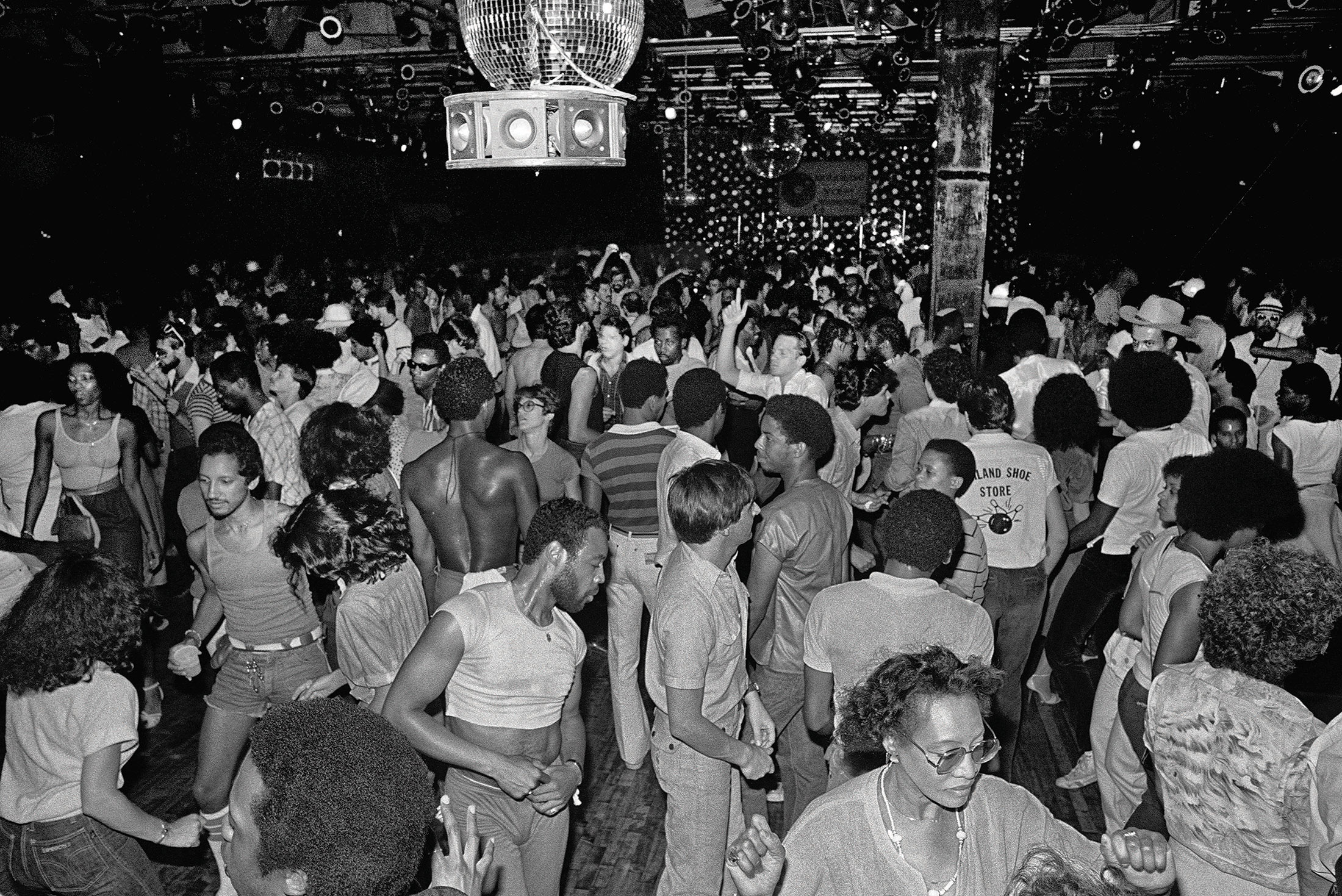
The roots of house music: a global revolution born from the ashes of the disco era, fueled by the Black and Latino gay club scene of the ’70s and ’80s. From Chicago and New York to Europe and Africa: how the elements came together into a new vehicle of communication that broke barriers around the world.
The session moves in three chapters: the sounds that fed the form (disco, Italo disco, European electronics, even post-punk), then the first underground releases, then the late-’80s hits that carried house around the world.
It begins where the name itself was born: with Frankie Knuckles at Chicago’s Warehouse (record shops were filing what he played under “house” before a single official release existed) and Ron Hardy at the Music Box.
Tickets are sold in advance only—there will be no door sales.
100% of ticket proceeds go directly to the featured artist—or to the artist or curator leading the session.
La sesión terminó — la música sigue.
The session ended — the music continues.
Sobre el evento · About the event
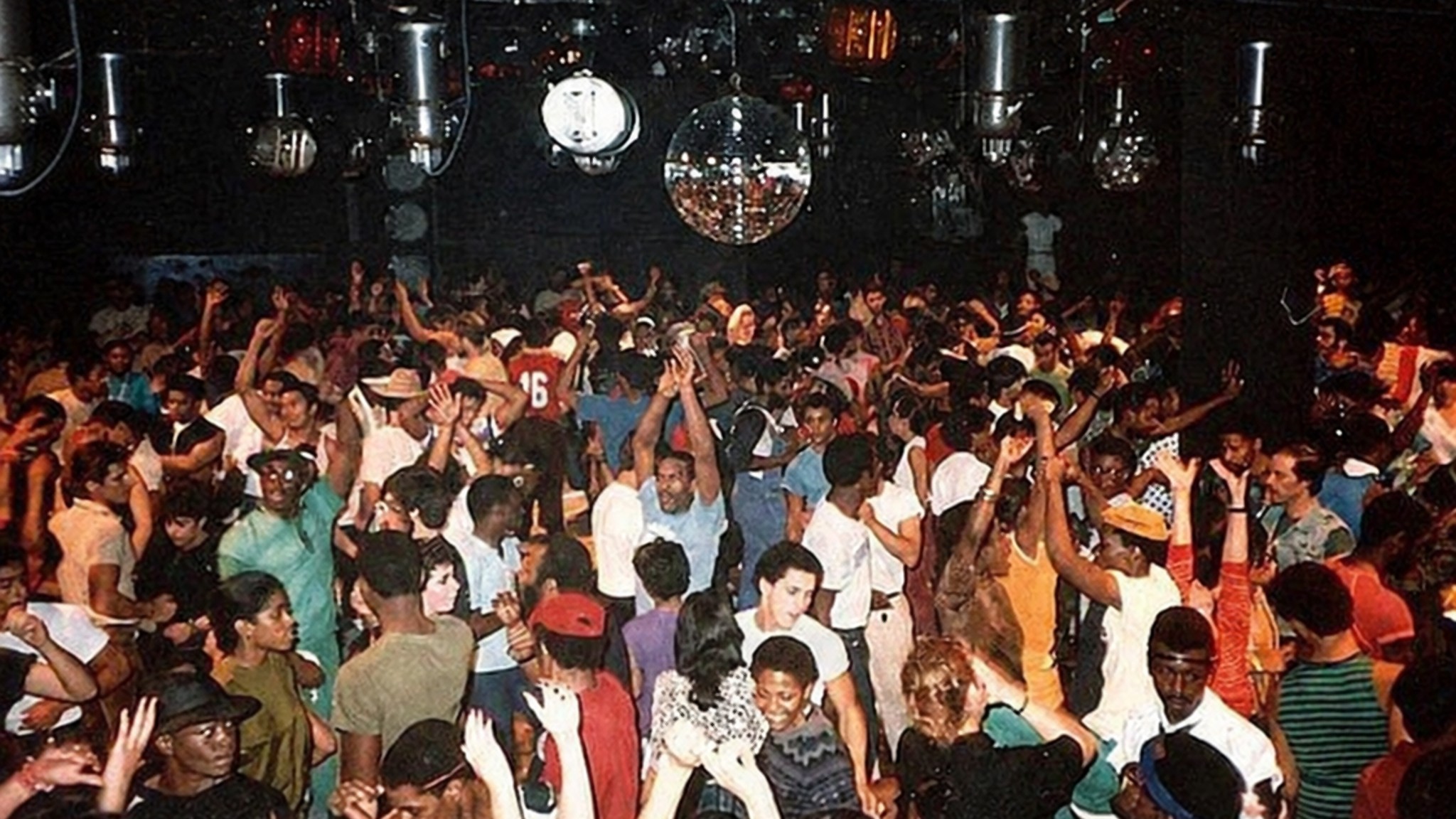
The Warehouse, Chicago donde nació el nombre · where the name was born
Lee más sobre el evento · Read more about the event
Where the name comes from
The Warehouse was a three-story members’ club at 206 South Jefferson Street in Chicago, opened by Robert Williams in 1977 with Frankie Knuckles, brought in from New York, in the booth. Saturday nights ran past dawn on a juice bar and a mostly Black, mostly gay crowd. When the South Side record shops began labeling the records he played “as heard at the Warehouse,” the word shortened to house, and the music had a name before it had records of its own.
What fed it
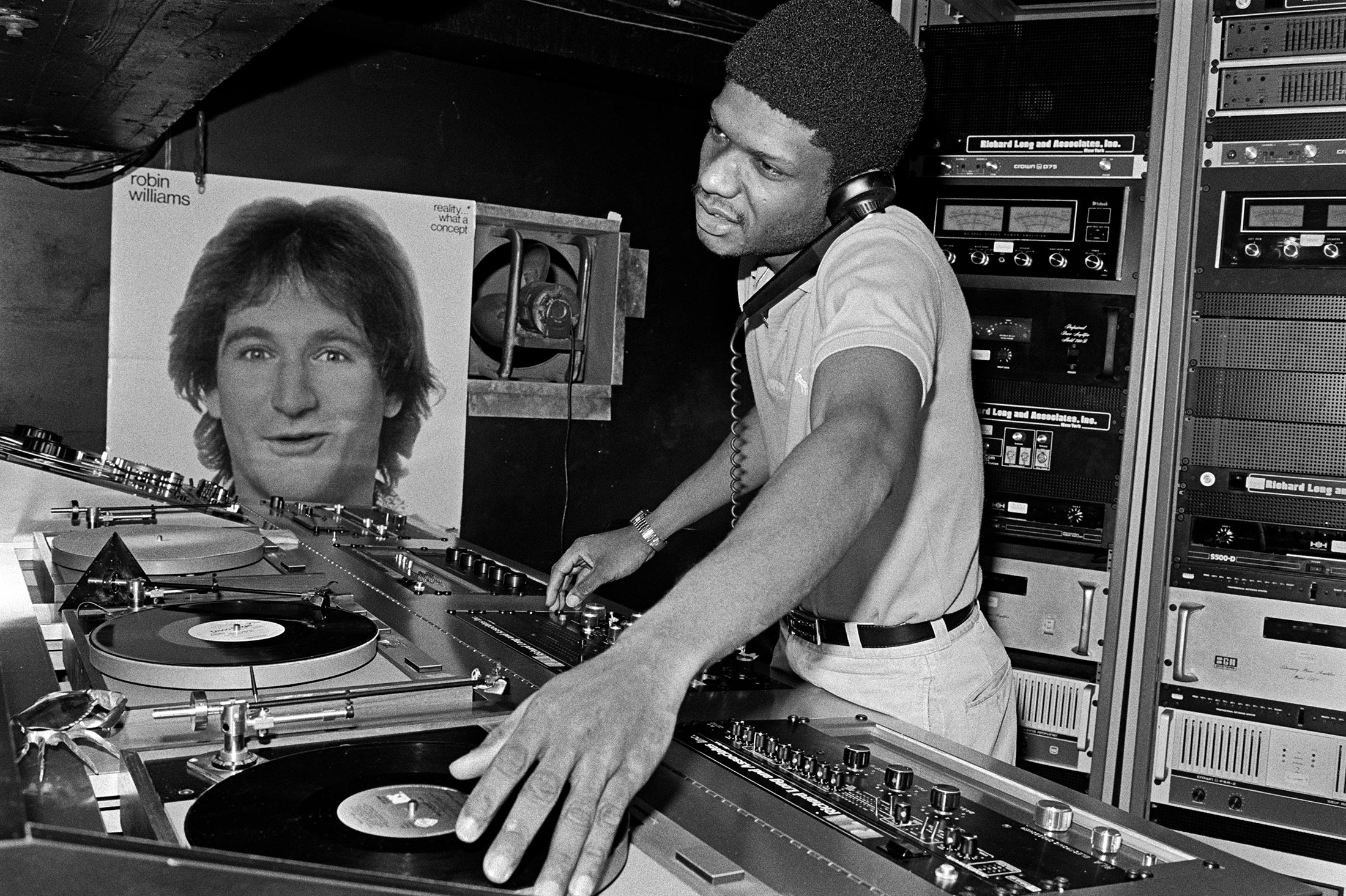
Knuckles arrived with New York in his ears: David Mancuso’s Loft parties (from Valentine’s Day 1970, by invitation, records played whole on a serious system, the listening-party lineage this room descends from) and Larry Levan’s Paradise Garage (1977 to 1987). Then Disco Demolition Night, 12 July 1979 at Comiskey Park, when a radio stunt blew up a crate of disco records between games of a doubleheader and the crowd rioted on the field. The majors dropped disco within a year; the clubs kept dancing, and the DJs started making the records the industry would no longer press. Giorgio Moroder had already shown the way in 1977 with Donna Summer’s “I Feel Love,” an entire dance record built on a sequencer.
Two booths, two ways
Knuckles left the Warehouse at the end of 1982 to open the Power Plant, and Robert Williams answered with the Music Box, Ron Hardy in the booth. Knuckles was the editor: long, polished blends, disco and Philadelphia soul re-cut on reel-to-reel tape with a drum machine underneath, the room lifted gently. Hardy was the opposite pole: faster, louder, rawer, records pitched up until they shook, a track played four times in a night if it worked, and the neighborhood kids’ cassette demos dropped into the set before any of them were pressed. Larry Heard’s “Can You Feel It” and much of what became Chicago house was heard first off tape at the Music Box. Both rooms made house; between them they set the two temperaments the music has kept ever since.
The first records
Jesse Saunders pressed “On and On” in January 1984 on his own label, the record most histories count as the first house release. He built it to replace a stolen white label, Mach’s “On and On” from 1980, the bootleg he could no longer play. Then the Trax and DJ International years: Larry Heard as Mr. Fingers, Chip E., Farley “Jackmaster” Funk, Steve “Silk” Hurley’s “Jack Your Body,” the first house record to reach number one in Britain (January 1987), and Phuture’s “Acid Tracks,” DJ Pierre and friends squeezing a Roland TB-303 bass box into something it was never meant to do. In Detroit, Kevin Saunderson’s Inner City took “Big Fun” and “Good Life” into the charts in 1988, and the late-’80s hits carried the sound around the world.
Small facts to take with you
The TB-303 was designed to stand in for a bass guitarist and flopped; the used ones went cheap, which is how acid house happened. Chicago renamed the Warehouse’s stretch of Jefferson “Honorary Frankie Knuckles Way” on 25 August 2004 and declared the date Frankie Knuckles Day. Knuckles’s own line for the music: “disco’s revenge.” The Loft’s first invitation, in 1970, read “Love Saves the Day.”
If tonight sent you reading
Bill Brewster and Frank Broughton, Last Night a DJ Saved My Life (1999) · Tim Lawrence, Love Saves the Day: A History of American Dance Music Culture, 1970–1979 (2003) · Jesse Saunders with James Cummins, House Music: The Real Story (2007) · Peter Shapiro, Turn the Beat Around: The Secret History of Disco (2005) · the Channel 4 documentary Pump Up the Volume: The History of House Music (2001).
Sobre nuestro colaborador · About our collaborator
- Hugh Harry— Instagram @hugeharry ‣ cofundador de Z Boys, pionero en la escena electrónica puertorriqueña · co-founder of Z Boys, pioneer in the Puerto Rican electronic music scene
- Z Boys— Bandcamp ‣ DJs y productores boricuas de house y techno, pioneros de la música electrónica en la isla desde 1998 · Puerto Rican DJs and producers of house and techno, pioneers of electronic music on the island since 1998
- Z Boys Music— zboysmusicpr.com ‣ la academia y la casa del colectivo · the collective’s academy and home
- Instagram— @zboys