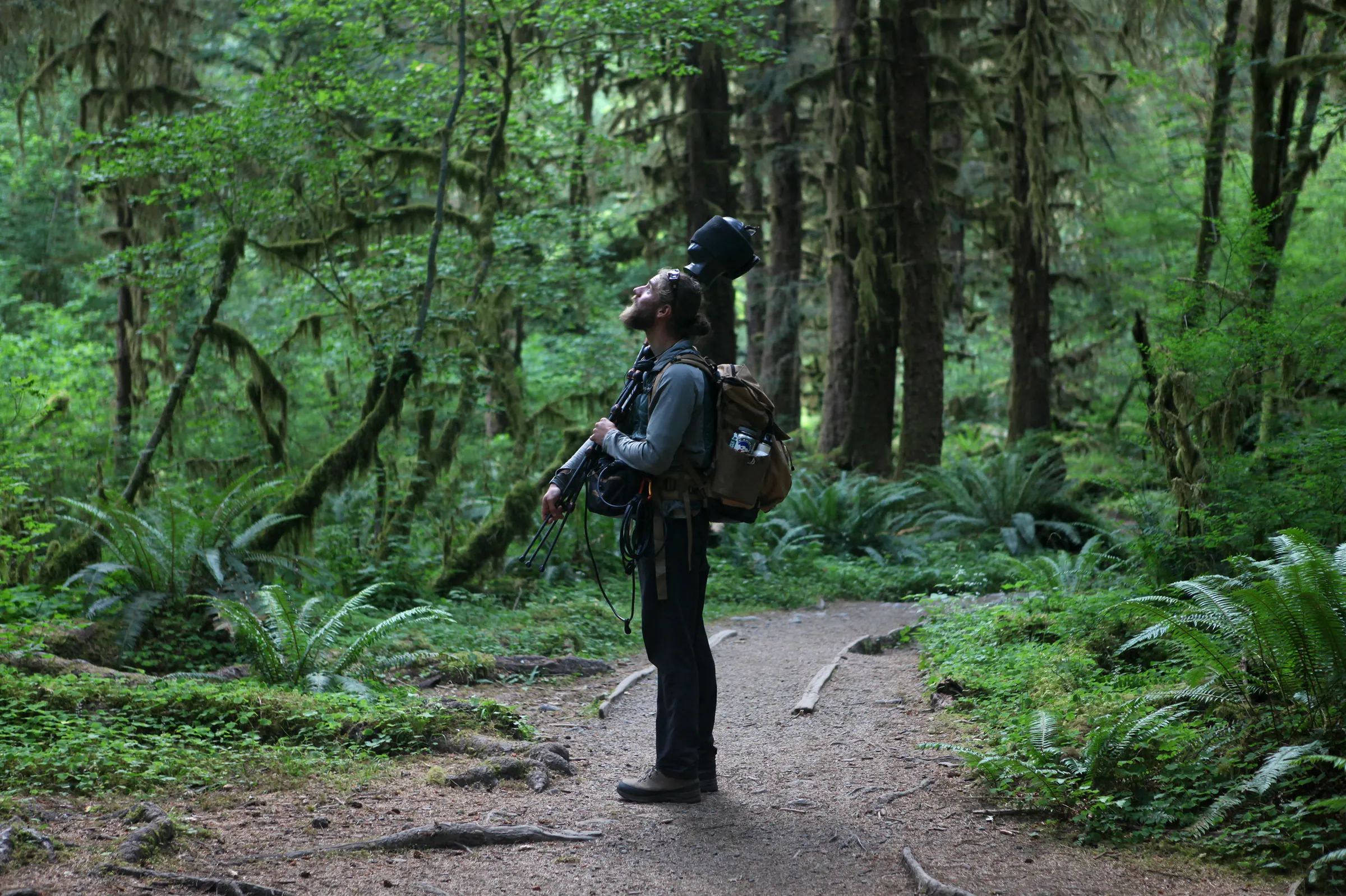
The ears came first
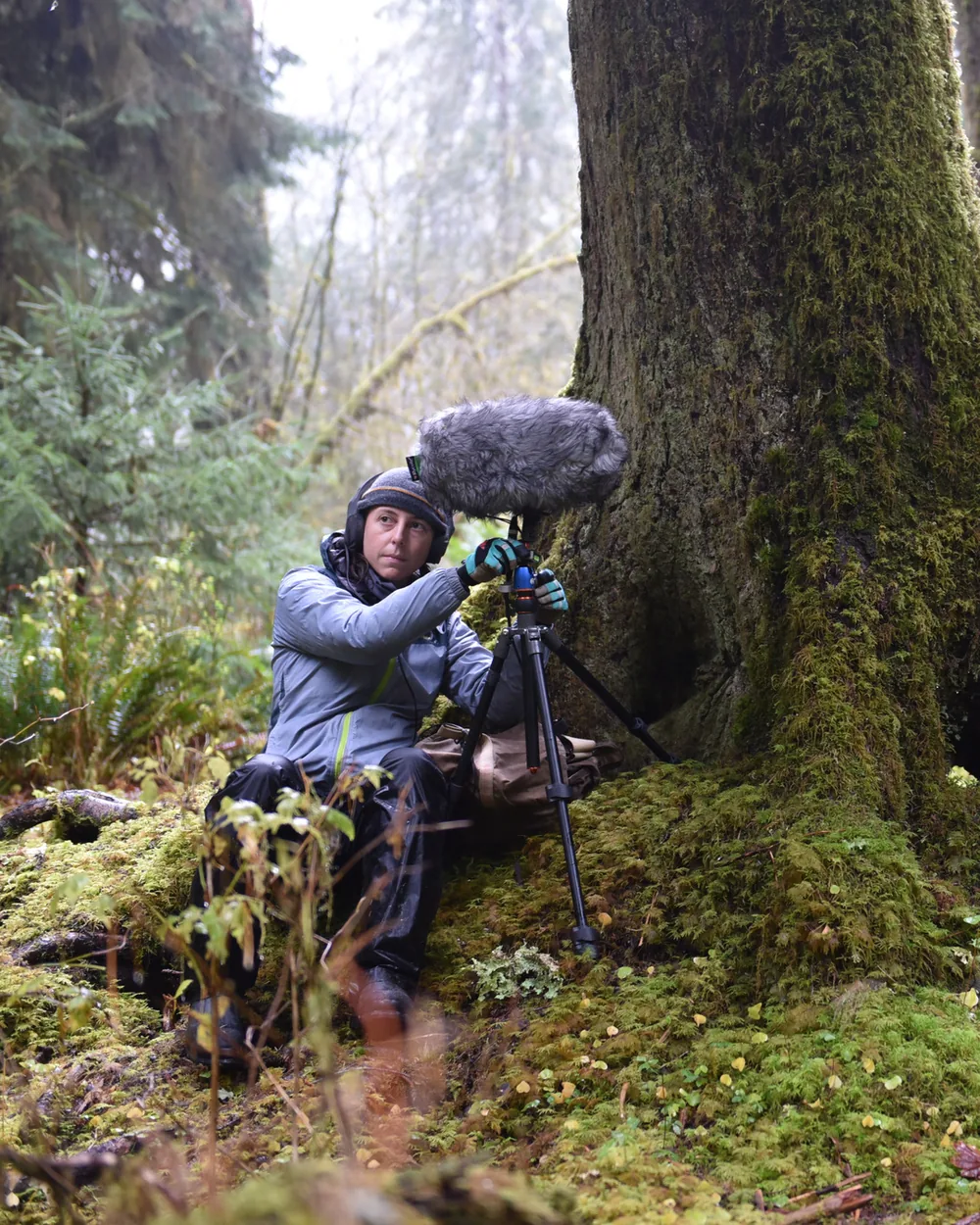
Ethan Bourdeau’s starting point is older than music: long before we made songs, our ears were how we found our way, and he calls them “our most powerful wayfinding tool,” shaped by nature and by the places we live. “When designing a room for intentional listening,” he writes, “we cannot forgo the roots of our auditory lineage.” What a room like this one can offer, he argues, is acoustic empathy: “the ability to hear beyond our own auditory systems and attempt to understand each other’s sonic perception,” fostered “in spaces where intentionality is anchored in the architecture.” And it is up to us, as listeners, to decide when the sounds of the natural world are allowed to come forward.
Rooms built for listening
He founded Bourdeau Acoustical Design in 2018. The studio plans listening rooms, public art installations and residential and commercial spaces, and Ethan is the acoustic collaborator on Devon Turnbull’s OJAS listening rooms, which have appeared in galleries and museums from Lisson Gallery to SFMOMA and the Cooper Hewitt in New York. He teaches at Columbia University’s Graduate School of Architecture, Planning and Preservation, where his course this fall is called Architectural Acoustics and Field Recordings. He is also Omelas’s acoustic consultant: the room you listened in is, in part, his argument made physical.
Ancient rooms, measured
With the American University of Armenia, Ethan and Narine Sarvazyan are the investigators on a project to preserve the acoustics of Armenia’s ancient cathedrals: capturing how each space answers a sound in spatial recordings, and rebuilding it in three dimensions, so that the voice of a building can outlast the building. He names one record as an inspiration for the work: Luys i Luso (ECM, 2015), in which the pianist Tigran Hamasyan and the Yerevan State Chamber Choir arrange Armenian sacred hymns.
Songs from a farm in Tokachi
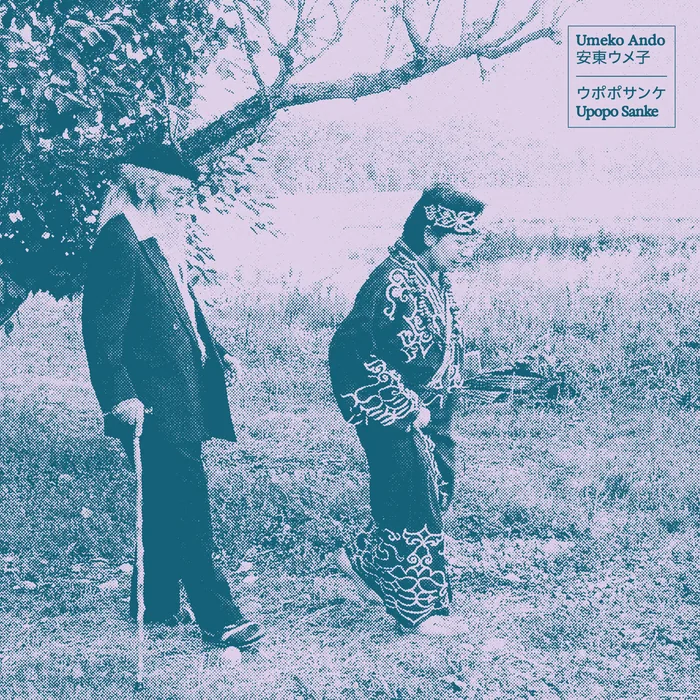
Umeko Ando (1932–2004), born in Obihiro, was an Ainu singer, a master of upopo, Ainu song, and of the mukkuri, the mouth harp of the Indigenous people of Hokkaido. Upopo Sanke was recorded in 2003 on a farm in Tokachi, in eastern Hokkaido, and produced by Oki Kano, who plays the tonkori, the Ainu zither, and released it on his Chikar Studio label. Twenty years later the label Pingipung reissued it on double vinyl. The record is not anonymous nature sound: it is a named artist, her songs and her people, with the surroundings of a working farm around them, and the listener is asked to hold both at once.
A road made of rooms
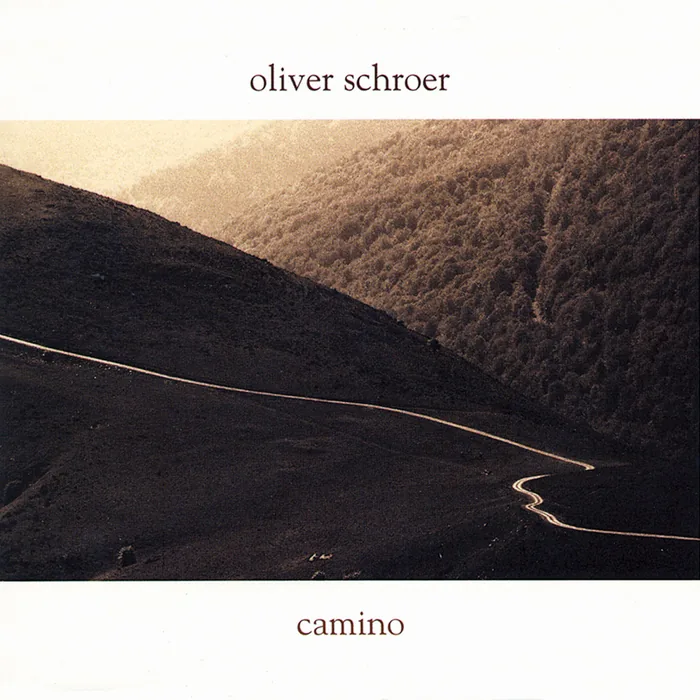
In 2004 the violinist Oliver Schroer walked the Camino de Santiago, the pilgrims’ road through France and Spain, with Peter Coffman. Along the way he played in the churches they passed through, letting each one shape the sound of his violin, and between those performances they kept the sounds of the road itself, its bells and its birds. The result, Camino, came out on CD in 2006. Every church on it is a different instrument wrapped around the same one.
A prayer for the millet
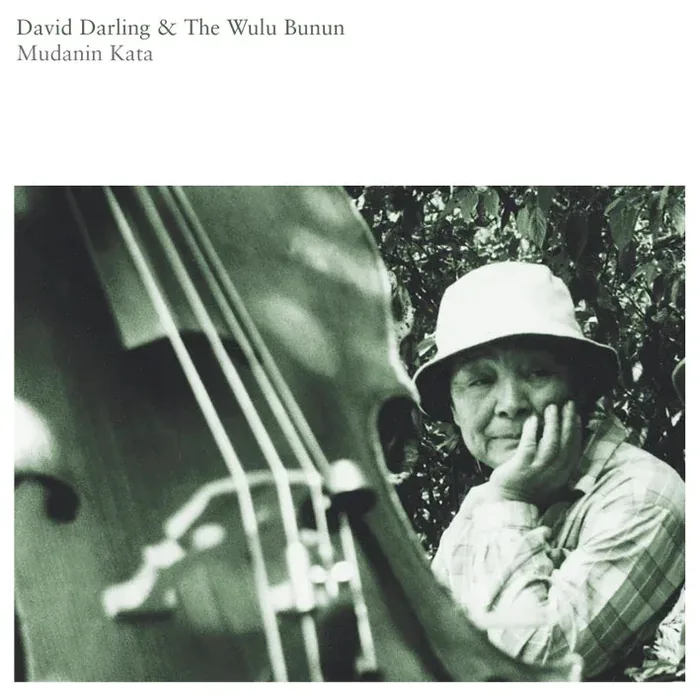
The Bunun of Taiwan’s central mountains sing in many voices at once, and their pasibutbut, a prayer for a good harvest of millet, is among the most celebrated forms of their singing. In 2003 the American cellist David Darling went to Taitung County to make music with the Wulu Bunun, the village’s traditional troupe and its elementary school choir; the record they made together, Mudanin Kata, was issued internationally in 2004. The voices lead. The cello listens and answers.
A radio station that kept time with the tides
St.GIGA began broadcasting by satellite in Japan on March 30, 1991, with an unusual idea: a continuous stream of music and natural sound, arranged around the rhythms of the sun, the moon and the tides, with a voice that read poems and told the listener where the day stood in its cycle. Toshiba EMI issued its recordings on a series of twelve CDs, now scarce; one of them, from the Shiretoko peninsula in Hokkaido, dates to 1992. To program by the tides is to organize attention, not to provide background.
If tonight sent you listening